

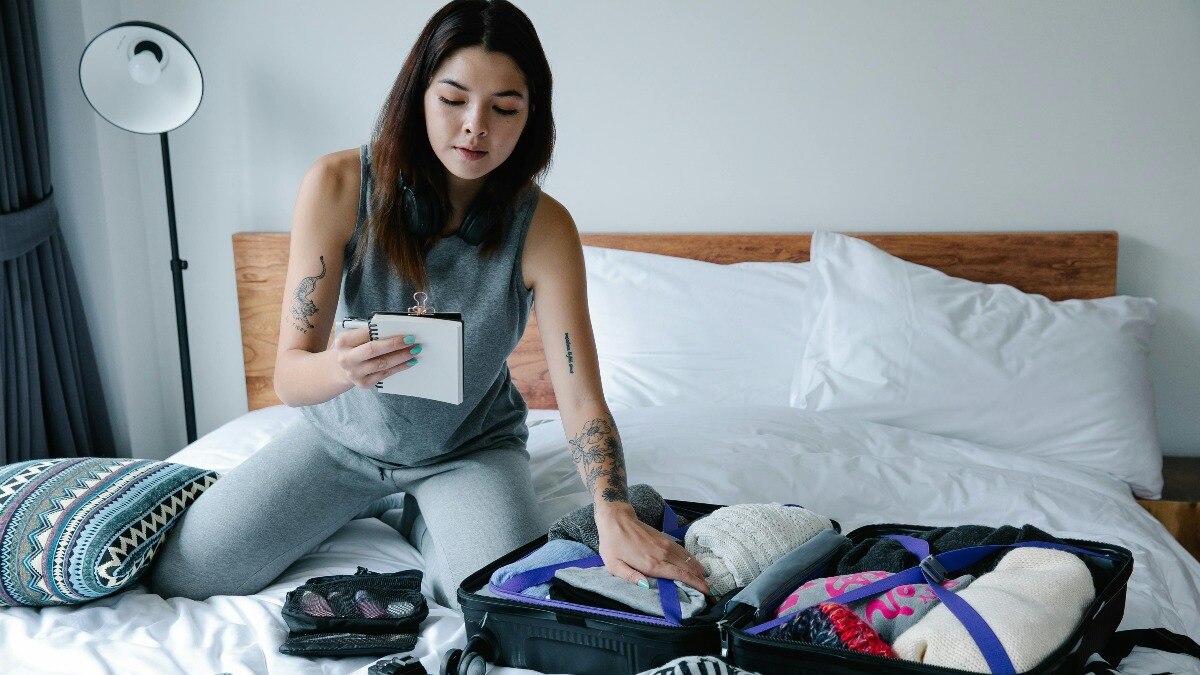
The traditional vacation concept typically involves booking flights, navigating crowded airports, exchanging currency, and packing heavy suitcases. While international travel or cross-country road trips offer undeniable excitement, they frequently introduce significant mental and physical stress. High financial costs, unexpected transit delays, and the exhaustion of aggressive itineraries can leave travelers returning home needing a vacation to recover from their vacation.
As an alternative, a strategically planned staycation offers a powerful opportunity to achieve genuine rest without travel-related friction. However, a successful staycation is far more complex than simply staying home from work and sleeping late. Without a deliberate framework, a week spent at home can easily devolve into a cycle of catching up on household chores, checking professional emails, and browsing television streaming channels out of sheer habit. To transform your home or immediate local community into a true sanctuary, you must treat the experience with the same planning, reverence, and boundaries that you would apply to a luxury trip abroad.
Establishing Absolute Boundaries and Digital Separation
The primary reason traditional vacations feel liberating is the physical separation from everyday responsibilities. When you are thousands of miles away, it is easy to justify ignoring office dynamics or postponing home maintenance tasks. To replicate this psychological freedom during a staycation, you must establish strict artificial boundaries.
Executing a Full Digital Detox
Constant smartphone notifications and accidental encounters with professional software are the fastest ways to destroy a vacation mindset.
-
Professional Offboarding: Set your out-of-office email auto-responder precisely as you would if you were flying to another continent. Delete or hide communication applications such as Slack, Microsoft Teams, or workplace messaging systems from your mobile devices to remove the temptation to check in.
-
Notification Management: Silence all non-essential alerts on your smartphone. Inform friends and family members that you are embarking on a dedicated period of relaxation and may be slow to respond to routine text messages or casual calls.
-
Screen Limitation: Designate specific time slots or device-free zones within the home. Avoid mindlessly scrolling through news feeds or social media algorithms, which keep the brain in a reactive, high-dopamine state rather than a relaxed state.
Eliminating Domestic Labor
A true vacation involves an escape from routine chores. If you spend your staycation painting the hallway, cleaning out the garage, or folding laundry, you are participating in a work period, not a rest period.
-
Pre-Staycation Preparation: Complete all deep cleaning, grocery shopping, and laundry logistics at least forty-eight hours before your staycation officially begins. The home should feel pristine and fully prepared, requiring zero maintenance during the break.
-
Outsourcing Daily Chores: Allocate a portion of the financial budget you saved by avoiding flights toward outsourcing daily operational tasks. Utilize professional cleaning services, drop off laundry for third-party folding, or rely on meal delivery options to completely eliminate domestic friction.
Transforming the Physical Environment into a Luxury Oasis
Our brains form deep cognitive associations with our physical surroundings. If your bedroom constantly reminds you of morning alarms and organizational chaos, it will be difficult to access a state of deep relaxation. Altering the sensory landscape of your home creates a distinct mental shift.
Upgrading the Sensory Experience
Luxury resorts invest heavily in environmental psychology to induce immediate calm upon arrival. You can replicate these design principles within your own living spaces.
-
Aromatherapy and Ambient Scents: Introduce high-quality essential oil diffusers or soy-based candles featuring scents completely different from your typical household products. Utilize botanical elements like lavender, eucalyptus, white tea, or cedarwood to establish a signature olfactory trigger that signals relaxation.
-
Textile Enhancements: Invest in premium high-thread-count Egyptian cotton sheets, oversized plush bath towels, and structured linen robes. The physical touch of high-quality fabrics mimics the premium accommodations of a boutique hotel.
-
Acoustic Backgrounds: Replace the background noise of local traffic or television broadcasts with carefully curated soundscapes. Utilize low-volume ambient jazz, lo-fi beats, or natural sounds like rain and ocean waves to create a tranquil auditory backdrop throughout the living quarters.
Designing a Vacation-Style Itinerary
A common mistake when planning a staycation is leaving the calendar entirely blank. While a day of unstructured lounging is beneficial, an entire week of aimless downtime often leads to boredom or a return to bad habits. A successful staycation itinerary balances structured indulgence with total temporal freedom.
Prioritizing the Art of Fine Dining
When traveling, dining out is often the centerpiece of the daily schedule. Replicate this culinary anticipation by altering how you approach nutrition during your break.
-
The High-End Home Chef Experience: Select a complex, multi-course recipe from a foreign culture that you have never had the time to prepare. Treat the cooking process as an active, leisurely event rather than a rushed chore, complete with appropriate music and beverage pairings.
-
Gourmet Curated Deliveries: Order premium takeout from fine dining establishments that you typically reserve only for anniversaries or major celebrations. Set the dining room table with your finest glassware and linens to elevate the presentation.
-
Exploring the Local Culinary Frontier: Seek out new bakeries, independent coffee roasters, or ethnic grocery stores in your broader metropolitan area that you have never visited due to your normal commuting constraints.
The Tourist in Your Own Town Concept
We rarely explore the cultural assets located right in our own backyards. A staycation is the perfect window to experience your local region through the lens of an international visitor.
-
Mid-Week Cultural Visits: Visit prominent local museums, contemporary art galleries, or botanical conservatories on a Tuesday or Wednesday morning. Experiencing these spaces without the heavy weekend crowds provides a much calmer, more contemplative environment.
-
Geographical Wandering: Pick a neighborhood or a nearby small historic town that you rarely visit. Spend an afternoon wandering the streets without a strict agenda, browsing independent bookstores and local antique shops.
-
Natural Exploration: Research regional state parks, nature reserves, or hidden hiking paths located within an hour of your home. Spending a morning fully immersed in nature provides the same psychological restoration as a remote eco-lodge.
Visual Inspiration
Designing a Restful Sanctuary
Transforming an everyday living space into an oasis of calm requires intentional changes to textures, lighting, and ambient clutter. The domestic arrangement below illustrates how to organize a home environment to maximize peaceful relaxation and replicate resort-style comfort.
Frequently Asked Questions
How do I handle roommates or family members who are not on a staycation?
Clear pre-trip communication is essential. Sit down with the members of your household before your break begins to explain your goals. Clearly define your boundaries regarding quiet hours, chores, and space usage, ensuring they understand that you are functionally away on vacation even though your physical body is still present in the house.
What is a realistic budget allocation for a high-quality staycation?
A staycation should cost significantly less than an international trip, but attempting to make it completely free can limit the experience. Reallocate roughly twenty to thirty percent of what you would have spent on flights and hotels toward premium local experiences, luxury home goods, spa treatments, high-end meals, and outsourcing daily chores.
How do I prevent myself from falling back into workplace thinking during the week?
Create a physical buffer ritual at the start of your staycation. When your final workday ends, pack your work laptop and all corporate notebooks into a bag and place them completely out of sight in a closet or storage room. Changing your physical environment or participating in a distinct introductory activity, like a professional massage, helps signal the transition to your brain.
Is it advisable to book a local boutique hotel for a portion of a staycation?
Yes, spending one or two nights at a stylish boutique hotel within your own city can amplify the vacation feeling. It provides a complete change of scenery, room service amenities, and immediate access to a different neighborhood, helping break up the time spent at home while still avoiding long-distance travel logistics.
What should I do if I experience feelings of guilt for not being productive?
Remind yourself that strategic rest is an essential component of high performance and long-term health. The cultural pressure to constantly produce results often leads to burnout. Frame your staycation not as passive laziness, but as an active investment in your mental clarity, psychological resilience, and overall well-being.
How do I transition smoothly back into my regular routine after a staycation?
Avoid scheduling your staycation to end at midnight right before a chaotic Monday morning shift. Dedicate the final afternoon and evening of your break to a gradual re-entry phase. Review your calendar for the upcoming week, prepare your wardrobe, and slowly adjust your sleep schedule back to normal, ensuring the benefits of your rest are not instantly erased by a stressful transition.

Comments are closed.