

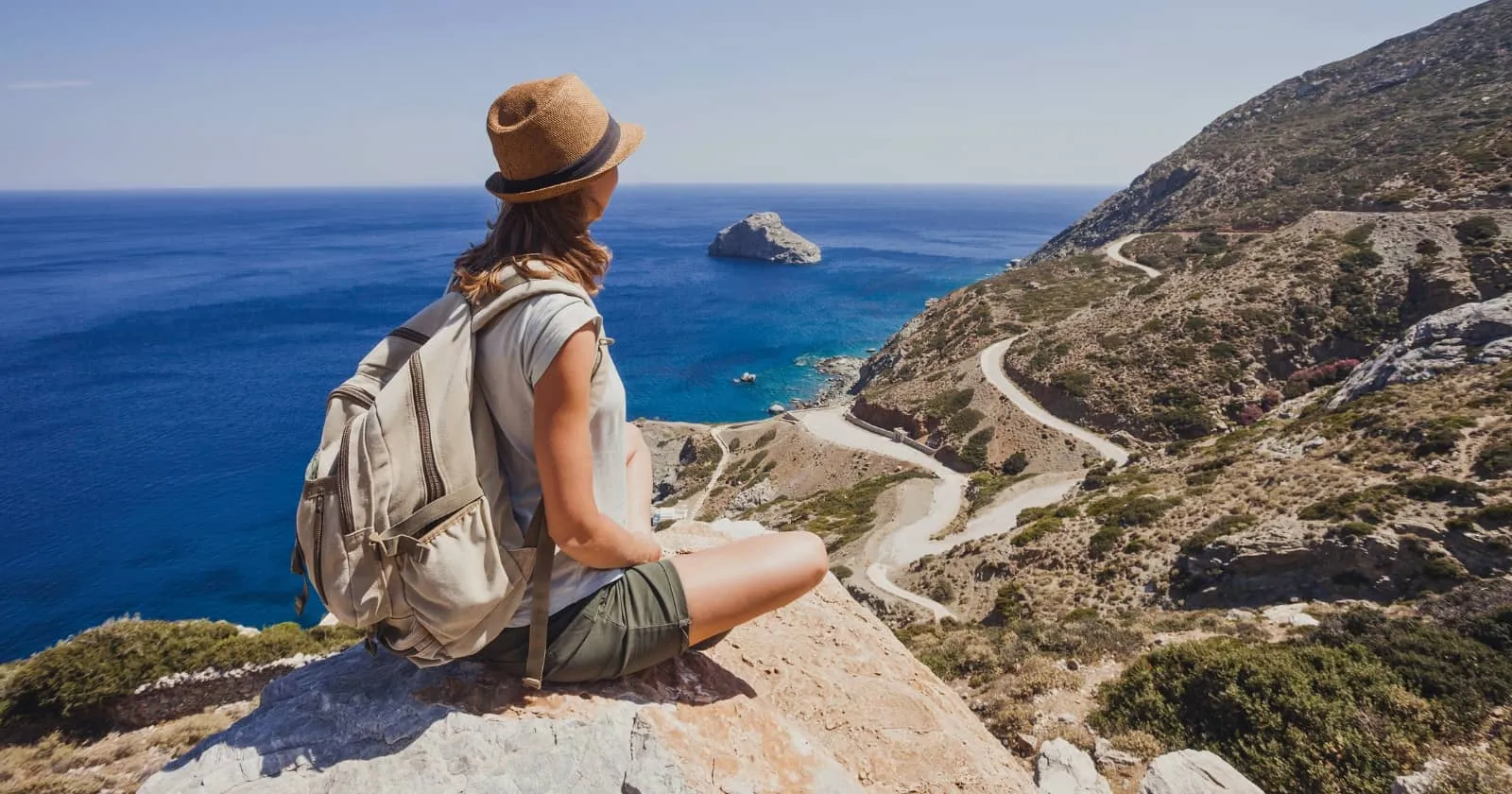
Modern tourism frequently operates at an exhausting pace. Travelers often rush from one famous landmark to the next, viewing cities through the lenses of their smartphones while checking items off a generic bucket list. This rapid style of exploration yields high mileage but little depth, leaving individuals exhausted and disconnected from the communities they visit.
Slow travel offers an intentional antidote to this frenetic approach. It is not merely a method of transportation but a psychological shift that prioritizes depth over distance, connection over consumption, and quality over quantity. By choosing to decelerate, you allow a destination to reveal its authentic rhythms, traditions, and community life. Mastering this art form transforms travel from a series of superficial photo opportunities into a profound avenue for personal growth and cross-cultural understanding.
Deconstructing the Slow Travel Philosophy
To master slow travel, one must first reject the urge to see everything. The philosophy draws inspiration from the slow food movement, which emphasizes local sourcing, traditional preparation methods, and communal dining. When applied to exploration, this mindset encourages staying in one region for an extended period, minimizing transportation legs, and integrating into the daily patterns of the community.
Instead of spending seven days rushing across three distinct countries, a slow traveler might spend the entire week in a single neighborhood of a single city. This structural change shifts the focus from passive observation to active engagement. The goal is no longer to collect monuments but to establish familiarity, converting unfamiliar streets into a temporary home.
Strategic Pillars for Cultural Immersion
True cultural connection does not happen by accident. It requires a deliberate disruption of typical tourist habits and a willingness to step outside comfort zones. Implementing specific, practical strategies can anchor you firmly within the local landscape.
Opt for Neighborhood Residential Stays
The physical location of your lodging establishes the framework for your entire journey. Standard hotels situated in commercial tourist corridors insulate you from genuine community interactions.
-
Rent from Locals: Prioritize apartment rentals, guesthouses, or homestays located within ordinary residential neighborhoods.
-
Establish a Routine: Shop at the local corner grocery store, introduce yourself to the neighborhood baker, and frequent the same family-owned coffee shop each morning.
-
Observe Daily Life: By anchoring yourself in a regular neighborhood, you observe the authentic lifecycle of the community, from morning school commutes to evening family strolls.
Prioritize Slow and Public Transportation
How you move through a space dictates how much of it you actually absorb. Express trains, domestic flights, and private ride-share vehicles isolate you from the local population.
-
Walk Everywhere: Walking allows you to notice subtle architectural details, catch regional scents, and stumble upon hidden alleyways that never appear on mapping applications.
-
Utilize Public Systems: Ride local buses, street trams, and commuter ferries. Navigating public transportation systems provides a direct, unvarnished look at how the regional population commutes, interacts, and manages daily life.
-
Embrace Slow Rail: When traveling between cities, select standard regional trains over bullet trains. The slower pace allows you to watch the shifting terrain and converse with regional travelers.
Cultivate Culinary Curiosity Through Local Infrastructure
Food serves as a universal gateway into the history, economy, and values of a culture. Avoid restaurants that feature multilingual tourist menus or aggressive hosts standing on the sidewalk.
-
Explore Neighborhood Markets: Visit open-air produce markets and indoor food halls early in the morning. Watch how locals negotiate, identify regional ingredients, and observe which items are prized in the current season.
-
Seek Out Single-Item Specialties: Look for small, unpretentious eateries that specialize in preparing just one or two traditional dishes. These establishments often pass recipes down through generations.
-
Participate in Local Sourcing: Ask regional shopkeepers for advice on how to prepare local ingredients, which often sparks spontaneous conversations about culinary history.
Overcoming the Psychological Friction of Slowing Down
Slowing down can introduce an unexpected level of internal discomfort. Many modern professionals are conditioned to measure productivity through output, an attitude that easily bleeds into leisure time. When faced with an empty afternoon without a structured tour itinerary, you might experience a sense of guilt or anxiety.
Mastering slow travel requires you to reframe empty time as a valuable opportunity. A rainy afternoon spent sitting inside a neighborhood laundromat or reading a book on a public park bench is not wasted time. It is an intentional choice to coexist with the destination exactly as it is. Overcoming this internal friction allows you to transition from a consumer of entertainment to an appreciative observer of reality.
Practical Exercises for Deeper Local Integration
If you find yourself slipping back into standard tourist habits, you can deploy targeted, small-scale activities to quickly ground yourself back into the environment.
-
The One-Block Audit: Pick a single intersection in a non-touristic neighborhood. Sit at a nearby outdoor table or bench for two hours without looking at a phone or digital device. Note the interactions between neighbors, the sounds of conversation, and the general pace of life.
-
Ditch the Digital Map: Dedicate an entire morning to getting lost on purpose. Navigate using physical street signs, landmarks, and verbal directions requested from local shopkeepers.
-
Learn the Language of Courtesy: Move beyond a simple hello. Master conversational courtesy phrases in the native language, including expressions of gratitude, appreciation for food, and basic introductory small talk. Locals always appreciate the vulnerability required to try speaking their language.
Frequently Asked Questions
How long do I need to stay in one place for it to qualify as slow travel?
There is no rigid mathematical threshold that defines slow travel. Rather than a specific number of days, it is defined by your internal pace and itinerary density. However, spending at least five to seven days in a single location provides a solid baseline to break out of the tourist mentality and build genuine familiarity with the surrounding neighborhood.
Is slow travel possible for individuals with limited annual vacation time?
Slow travel is highly effective for short vacations. If you only have four days of time off, instead of trying to visit three separate cities, dedicate the entire four days to exploring a single neighborhood or small village. The reduction in travel logistics maximizes your actual relaxation time and deepens your connection to that singular location.
How do I balance slow travel goals when traveling with companions who prefer fast-paced sightseeing?
Achieving balance requires clear communication and compromise before the journey begins. You can negotiate designated split-time days, where fast-paced companions visit major historical museums while you spend the afternoon exploring local markets. Alternatively, you can agree to spend mornings visiting landmarks together, leaving afternoons completely unscheduled for spontaneous neighborhood exploration.
Does slow travel cost more money due to the extended time frames?
Slow travel is generally much more cost-effective than conventional fast-paced tourism. By staying in one place, you significantly reduce major transportation expenses like domestic flights and train tickets. Furthermore, renting neighborhood apartments allows you to cook your own meals using market ingredients, which drastically lowers your daily food budget compared to dining out at central tourist restaurants.
How can I practice slow travel if I am visiting a highly popular global city like Paris or Tokyo?
Slow travel is highly rewarding in massive global hubs. To practice it there, avoid staying in central tourist zones. Instead, choose a residential neighborhood located outside the city center. Dedicate your energy to discovering the hyper-local elements of that specific district, such as its neighborhood parks, public baths, and modest everyday dining spots.
What should I do if I encounter an unexpected language barrier while trying to connect with locals?
Language barriers should be viewed as opportunities for creative connection rather than frustrating obstacles. Utilize expressive hand gestures, polite smiles, and clear visual aids. Carrying a small physical notepad to sketch pictures or write down numbers can bridge gaps, and showing genuine humility usually results in locals patiently helping you navigate the conversation.

Comments are closed.