

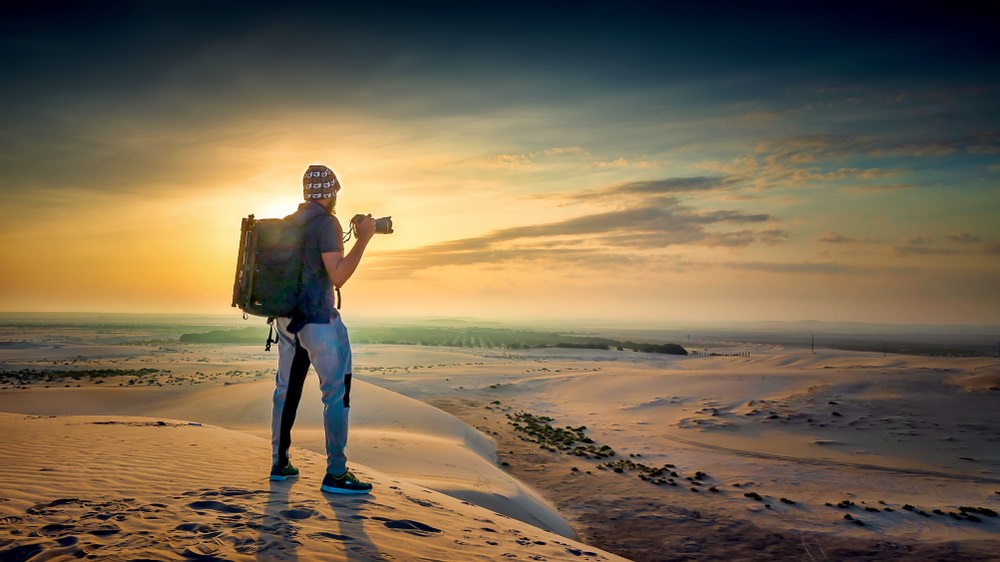
Adventure photography is a demanding discipline that requires a unique blend of athletic endurance, technical expertise, and split-second intuition. Unlike studio or landscape photography, where the environment is controlled or static, adventure photography forces the creator to operate in volatile conditions. Whether hanging from a rock face, skiing down a backcountry couloir, or mountain biking through dense singletrack, the window to capture the definitive moment is often less than a second.
To create images that convey the raw adrenaline and scale of outdoor pursuits, a photographer must transcend basic automated camera settings. Mastering action shots on the move requires a deep understanding of camera mechanics, specialized compositional strategies, and proactive environmental planning.
Mastering the Technical Core: Shutter, Aperture, and ISO
The foundation of any successful action photograph is the deliberate management of the exposure triangle. In high-speed scenarios, the priority shifts heavily toward controlling motion, which dictates specific settings choices.
Freezing the Frame with Shutter Speed
To eliminate motion blur and render high-speed subjects in sharp relief, fast shutter speeds are non-negotiable.
-
1/1000 Second: This is the baseline standard for moderate action, such as trail runners, slower-moving mountain bikers, or hikers navigating technical terrain.
-
1/2000 Second or Faster: Essential for high-velocity disciplines like downhill skiing, motorsports, whitewater kayaking, or sudden aerial maneuvers. At this speed, even individual water droplets or flying dirt particles are frozen in mid-air.
Managing Aperture for Isolation and Context
Aperture choices in adventure photography must balance the need for subject isolation with the necessity of environmental storytelling.
-
Wide Apertures (f/2.8 to f/4): Selecting a wide aperture isolates the athlete from a cluttered background by creating a shallow depth of field. This technique drives the viewer’s eye directly to the subject’s expression or physical effort.
-
Narrow Apertures (f/5.6 to f/8): When the surrounding landscape is as critical to the narrative as the athlete, narrowing the aperture ensures both the subject and the distant mountain range remain sharp.
Implementing Adaptive ISO
Outdoor lighting shifts rapidly as clouds move or athletes pass between dense forest cover and open ridges. Utilizing Auto ISO with a predefined maximum limit allows the camera to instantly adapt to lighting shifts without requiring the photographer to stop and manually change settings mid-action. This ensures that the shutter speed remains fast enough to freeze the motion regardless of sudden canopy cover.
Advanced Focus Modes and Tracking Mechanics
A perfectly exposed image is useless if the subject is out of focus. Adventure photography leaves no time for manual focusing, necessitating the use of advanced autofocus tracking systems.
Continuous Autofocus (AF-C or AI Servo)
Standard single-shot autofocus locks the focus once the shutter button is pressed halfway. In contrast, Continuous Autofocus constantly recalculates the distance between the lens and the moving subject. As long as the focus point remains on the athlete, the camera will track them flawlessly as they move toward or across the frame.
Utilizing Back-Button Focus
By decoupling the autofocus activation from the shutter button and assigning it to a dedicated button on the back of the camera body, photographers gain instantaneous control over composition. This configuration allows the creator to track a subject continuously, stop tracking to lock the focus distance when an obstacle interferes, and release the shutter without the camera attempting to refocus at the last millisecond.
Customizing Autofocus Zones
-
Dynamic Zone AF: Expands the active focus area to include surrounding points. If the athlete briefly moves out of the primary focus point due to bumpy terrain, the neighboring points maintain the lock.
-
Subject Tracking (Eye/Face Detection): Modern mirrorless camera systems feature algorithms capable of identifying and locking onto human eyes, faces, or helmets, allowing the photographer to focus purely on timing and framing.
Compositional Frameworks for Dynamic Imagery
Great adventure photography goes beyond technical correctness; it must evoke the sensation of speed, scale, and danger.
The Rule of Thirds with a Directional Bias
When framing a moving athlete, avoid placing them dead center. Position the subject on one of the vertical grid lines, leaving ample empty space in the direction they are moving. This gives the subject “room to breathe” within the frame and allows the viewer to anticipate the path of travel, enhancing the narrative flow of the image.
Embracing Leading Lines and Natural Geometry
Use the environment to guide the viewer’s eye through the image. Ridgelines, singletrack trails, ski tracks, and riverbanks serve as powerful leading lines. When these lines originate from the corners of the frame and terminate near the athlete, they create a compelling sense of depth and destination.
Incorporating Scale and Contrast
The vastness of the wilderness is a defining element of adventure sports. To capture this scale, pull back and utilize a wider focal length. A tiny climber silhouetted against a massive, monolithic rock wall emphasizes human vulnerability and resilience against the elements.
Equipment Management and Mobility on the Move
Carrying extensive gear sets into rugged environments is counterproductive. Efficiency, weight reduction, and accessibility dictate gear choices in the field.
Camera Straps and Harness Systems
Standard neck straps are hazardous during active movement because the camera bounces unpredictably.
-
Capture Clips: These mechanical clips mount directly to the shoulder strap of a backpack, locking the camera securely against the chest. This configuration distributes weight evenly and allows for single-handed release in under two seconds.
-
Chest Harnesses: Ideal for skiing or climbing, chest harnesses keep the camera centered and stable while protecting it from accidental impacts against rock or ice.
Weather Sealing and Protection
Adventure photography frequently occurs in sub-optimal weather conditions. Utilizing weather-sealed camera bodies and pro-grade lenses reduces the risk of dust, moisture, or snow breaching the internal electronics. Carrying lightweight dry bags within a primary backpack ensures that gear remains protected during heavy downpours or river crossings.
The Logistics of the Shoot: Preparation and Safety
High-quality action imagery is rarely the result of happy accidents. It is the product of meticulous planning, physical conditioning, and open communication with the athletes.
Pre-Visualization and Location Scouting
Before stepping onto the trail, research the route using topographic maps and satellite imagery to understand where the sun will fall at specific times of the day. Knowing the location of key features, such as sharp switchbacks, steep drop-offs, or open clearings, allows the photographer to position themselves in advance of the athlete’s arrival.
Communication Protocols
Before the action begins, establish clear verbal signals or radio communication protocols with the athlete. Discuss the exact line they intend to take, where the peak action will occur, and where the photographer will be standing. This ensures safety for both parties and guarantees that the photographer does not inadvertently block the athlete’s exit route.
Prioritizing Physical Safety
No photograph is worth risking injury. An adventure photographer must possess the same level of physical competence as the athletes they are documenting. Always secure stable footing before raising the camera to the eye, as looking through a viewfinder completely eliminates peripheral vision and spatial awareness.
Visual Inspiration
Frequently Asked Questions
What is the ideal lens selection for backcountry adventure photography?
A versatile zoom lens, such as a 24-70mm f/2.8 or a 70-200mm f/4, is ideal. These lenses cover wide environmental perspectives and tight action shots without requiring frequent lens changes in dusty or wet environments, which can expose the camera sensor to damage.
How do you prevent lens condensation when transitioning between cold and warm environments?
When moving from cold outdoor air into a warm cabin or vehicle, place the camera inside a sealed plastic bag before stepping indoors. The condensation will form on the outside of the bag rather than on the cold glass elements and internal electronics of the camera. Allow the gear to reach room temperature before removing it from the bag.
Is it better to use manual exposure mode or shutter priority mode for fast action?
Manual exposure mode combined with Auto ISO is generally superior. This configuration allows you to permanently lock in your desired shutter speed to freeze motion and your desired aperture to control depth of field, while the camera handles subtle variations in light automatically via the ISO adjustments.
How many frames per second should I use when shooting fast-moving sports?
Utilize your camera’s high-speed burst mode, targeting at least 10 to 20 frames per second. While this generates more files to sort through later, it ensures that you capture the precise millisecond where an athlete’s body positioning, expression, and equipment are perfectly aligned.
How do you manage camera batteries when working in sub-zero temperatures?
Extreme cold drains lithium-ion batteries rapidly. Keep spare batteries stored inside an internal clothing pocket close to your body heat until the exact moment they are needed. Swap out cold batteries as soon as performance drops, putting the cold battery back in your pocket to warm up and recover some capacity.
Should I shoot action photography in RAW format or JPEG?
Always shoot in RAW format. RAW files preserve all the data captured by the camera sensor, providing maximum latitude during post-processing to recover shadow detail in bright snow or correct exposure imbalances caused by harsh outdoor lighting conditions.

Comments are closed.