

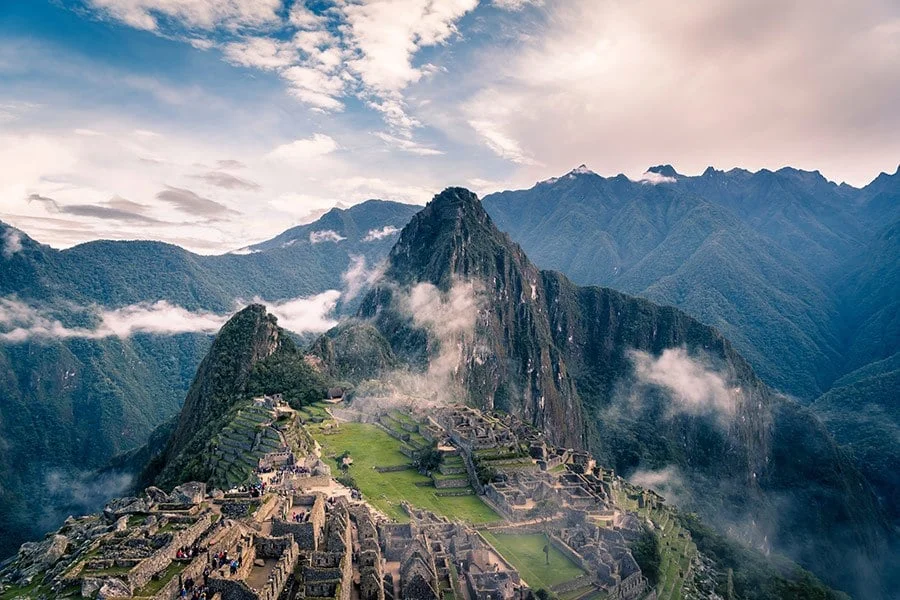
Human history is permanently intertwined with the pursuit of the transcendent. Across millennia, diverse cultures have designated specific geographic locations as epicenters of divine connection, internal reflection, and communal worship. These sacred destinations, often defined by dramatic geology, ancient architecture, or historical narrative, draw millions of visitors annually who seek something beyond conventional tourism.
Embarking on a spiritual journey requires an intentional shift in perspective. It transforms the traveler from a passive observer into an active participant in an ancient tradition of pilgrimage. Whether searching for historical insight, mindfulness, or internal realignment, the following five sacred locations offer profound opportunities for personal transformation.
1. Varanasi, India: The Eternal City of Light
Situated along the crescent-shaped banks of the Ganges River in the northern state of Uttar Pradesh, Varanasi is widely considered the spiritual heart of Hinduism. As one of the oldest continuously inhabited cities on Earth, it serves as a physical intersection between the material world and the cosmic order. In Hindu theology, Varanasi is the earthly home of Lord Shiva, and dying here is believed to grant Moksha, which is the liberation of the soul from the continuous cycle of rebirth.
The spiritual pulse of Varanasi is most palpable along the stone steps, or ghats, that line the riverbank.
-
The Ritual of Ganga Aarti: Every evening at the Dashashwamedh Ghat, priests perform a synchronized ritual involving brass lamps, incense, and Vedic chants to offer gratitude to the river goddess. The ceremony provides a profound sensory experience that induces collective introspection.
-
The Subah-e-Banaras: Experiencing the city at dawn via a quiet boat ride reveals a different facet of devotion. Thousands of pilgrims descend into the cold river waters to offer morning prayers to the rising sun, exemplifying public vulnerability and absolute faith.
-
The Cremation Ghats: At Manikarnika Ghat, funeral pyres burn continuously. Witnessing this process forces travelers to confront the transience of human life, transforming abstract philosophical concepts of mortality into an immediate reality.
2. Camino de Santiago, Spain: The Path of Personal Endurance
The Camino de Santiago, or the Way of Saint James, is an extensive network of ancient pilgrim routes stretching across Europe, all converging at the cathedral of Santiago de Compostela in northwestern Spain. Tradition holds that the remains of the apostle Saint James the Greater are buried within the cathedral sanctuary. While its origins are deeply rooted in medieval Catholic piety, the modern Camino attracts a highly diverse population of secular hikers, spiritual seekers, and individuals navigating major life transitions.
The spiritual draw of the Camino is found in the physical and psychological simplicity of the journey.
-
The French Way: Spanning nearly 500 miles from Saint-Jean-Pied-de-Port in France across northern Spain, this is the most historic and well-traveled route. Walking this path requires weeks of sustained physical exertion over rolling hills, meseta plains, and mountain passes.
-
The Practice of Kinetic Meditation: The daily repetition of waking early, packing a minimal backpack, and walking twenty miles reduces mental clutter. The physical fatigue strips away superficial anxieties, fostering a meditative mental state.
-
The Community of the Trail: Staying in communal hostels, known as albergues, fosters deep connections among travelers from different generations and nationalities. The shared hardship and vulnerability create a rare ecosystem of mutual support and open storytelling.
3. Mount Kailash, Tibet: The Unconquered Peak
Rising majestically to an altitude of 21,778 feet in the remote landscape of western Tibet, Mount Kailash is a striking black rock pyramid covered in perpetual ice. It holds the unique distinction of being recognized as a supreme holy site by four distinct religious traditions: Hinduism, Buddhism, Jainism, and Bön. Because of its deep spiritual sanctity, the mountain has never been climbed, preserving its pristine natural integrity.
The ultimate spiritual act associated with Mount Kailash is the Kora, a rigorous circumambulation of the mountain base.
-
The Path of the Kora: The trekking circuit spans approximately 32 miles, traversing high-altitude terrain that peaks at the grueling Dolma La Pass, situated at 18,600 feet above sea level. The thin air and extreme weather make the journey a true test of human willpower.
-
Multifaceted Worship: Hindus view the peak as the eternal abode of Lord Shiva and his consort Parvati. Buddhists believe it is the home of Demchok, the embodiment of supreme bliss. For Jains, it is the site where the first Tirthankara attained spiritual liberation.
-
Prostration Pilgrimages: The most devout pilgrims complete the entire 32-mile circuit by measuring their length on the ground through continuous prostrations. This profound display of physical devotion underscores the mountain’s intense spiritual weight.
4. Koyasan, Japan: The Sanctuary of Esoteric Buddhism
Mount Koya, or Koyasan, is a secluded temple settlement nestled within a dense forest of ancient cedar trees on an alpine plateau in Wakayama Prefecture. Founded in the ninth century by the monk Kobo Daishi, the creator of Shingon Buddhism, Koyasan serves as a peaceful retreat dedicated to monastic study, meditation, and quiet isolation from the modern world.
A journey to Koyasan allows travelers to step directly into the rhythms of monastic life.
-
Okunoin Cemetery: This is Japan’s largest cemetery, housing more than 200,000 moss-covered stone stupas beneath a canopy of towering trees. The path terminates at the mausoleum of Kobo Daishi, where thousands of brass lanterns flicker constantly, creating a space for quiet reflection.
-
Shukubo Stays: Visitors can lodge directly within active Buddhist temples. These accommodations provide an authentic glimpse into monastic life, including eating traditional vegetarian temple cuisine, known as Shojin Ryori, which focuses on seasonality and mindfulness.
-
Morning Devotions: Guests are invited to attend the dawn prayer services performed by the resident monks. The rhythmic chanting of sutras combined with fire purification rituals provides a grounding experience to start the day.
5. Sedona, Arizona: The Dynamic Landscape of the American Southwest
While many sacred destinations rely on ancient human architecture, Sedona draws its spiritual significance from the raw energy of the earth itself. Nestled among towering red sandstone formations in the high desert of Arizona, this landscape has been revered by Native American tribes, including the Yavapai and Apache, for centuries. In modern times, it has become a sanctuary for those studying alternative healing modalities and mindfulness.
The spiritual allure of Sedona centers on its famous vortex sites, which are specific geographic areas believed to emit heightened levels of subtle earth energy.
-
Identifying the Vortex Sites: Major concentrations of this natural energy are associated with distinct geological formations, including Cathedral Rock, Bell Rock, Boynton Canyon, and Airport Mesa. Visitors frequent these sites to engage in deep meditation or yoga.
-
The Geometry of the Landscape: The intense contrast between the vibrant red rocks, the deep green vegetation, and the clear desert sky creates a striking visual harmony. This unique environment helps calm the nervous system and clear mental clutter.
-
Native American Traditions: The area serves as an educational hub for understanding indigenous land stewardship. The surrounding canyon walls protect ancient cliff dwellings, reminding visitors of a long history of human reverence for the natural world.
Visual Inspiration
Frequently Asked Questions
What physical preparation is required to complete the Camino de Santiago safely?
Completing the Camino requires consistent cardiovascular endurance rather than technical climbing skills. Prospective pilgrims should train by walking long distances on varied terrain for consecutive days while wearing the exact footwear and backpack intended for the trip. Building up to consecutive twelve-mile walks helps prevent common stress injuries like shin splints and blisters.
Are non-religious travelers allowed to participate in temple stays at Koyasan?
Yes, the temples of Koyasan welcome all visitors regardless of their personal religious affiliations or beliefs. The monks view the lodging services as an opportunity to share their lifestyle and philosophy with the world. Guests are encouraged to attend morning prayers and meditation sessions, though participation is entirely voluntary.
Is it safe for international tourists to travel independently to Varanasi?
Varanasi is accessible for independent travel, but the high density of people, intense noise levels, and constant activity can be overwhelming initially. Hiring a licensed local guide for your first visit to the ghats can help you navigate the complex layout and understand the cultural context safely, minimizing unwanted solicitations.
What are the visa requirements for entering Tibet to visit Mount Kailash?
Traveling to Mount Kailash requires navigating a strict dual-document process. Travelers must first secure a standard Chinese tourist visa. Following that, you must obtain a specialized Tibet Travel Permit along with a military permit through a registered travel agency. Independent travel is not permitted in Tibet, meaning all itineraries must be part of an organized tour with a licensed guide.
What is the scientific explanation behind the concept of Sedona vortex sites?
While the spiritual community attributes the vortexes to subtle energy fields, geologists point to the unique physical layout of the region. The high concentration of iron oxide in the red sandstone, combined with large deposits of crystalline quartz, creates a subtle magnetic and piezoelectric environment. Many researchers believe these physical properties, combined with the extreme natural beauty, account for the deep feelings of peace reported by visitors.
What is the significance of the stone towers built along the Camino de Santiago?
The small towers of stacked stones, known as cairns, found along the trail serve a dual purpose. Historically, they functioned as essential trail markers to guide travelers through dense fog or remote mountain areas. Over time, they have also taken on a symbolic role, as modern pilgrims often leave a small stone brought from home to represent casting down a personal burden.

Comments are closed.