

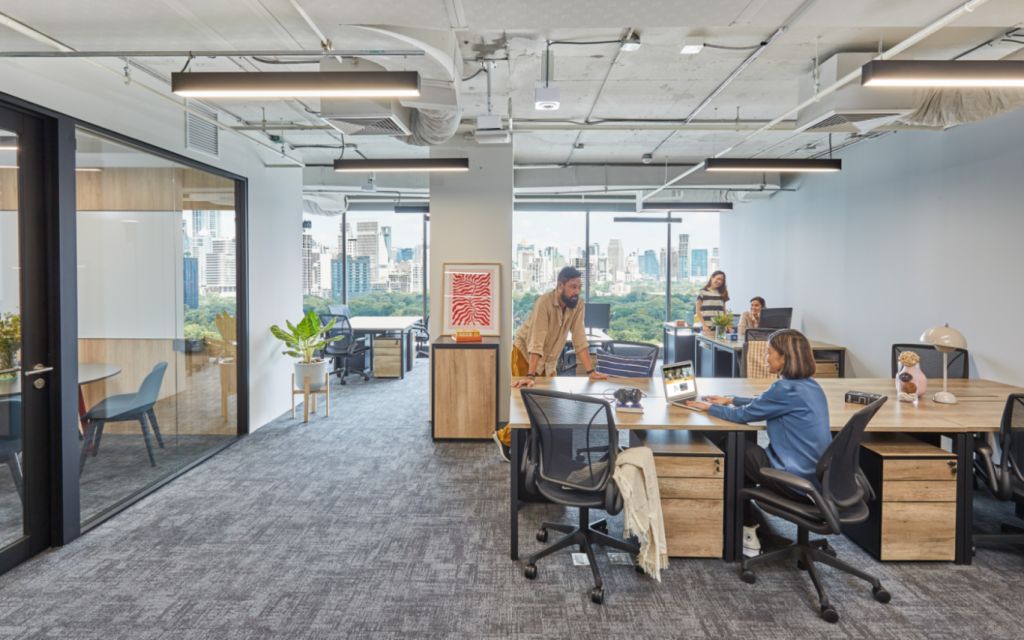
Businesses looking for workspaces in Thailand’s capital have several options. Office rental Bangkok ranges from traditional long term leases to flexible co working memberships. Each arrangement has its own advantages depending on the company’s size, culture, and budget.
Traditional offices provide privacy and control. Companies sign a lease for a set period and fit out the space as needed. This is ideal for firms that need dedicated rooms and secure storage. However, the commitment is longer, and there may be additional costs for maintenance and utilities.
Serviced offices and co working spaces offer flexibility. They come furnished and include amenities such as reception services, meeting rooms, and high speed internet. Startups and freelancers often prefer these spaces because they require less capital up front and can expand or reduce space as business needs change.
Points to review when choosing an office rental include evaluating how much space your team needs now and in the near future. Compare costs of long term leases versus flexible options. Assess if shared amenities meet your operational requirements. Think about the location and its proximity to clients and public transport. Review contract terms for hidden fees or limitations.
By assessing these factors, businesses can select an office that supports productivity without committing to more than they require.
Amenities play a big role in choosing a workspace. Access to meeting rooms, high speed internet, and printing services can influence productivity and collaboration. Some flexible offices also provide wellness rooms and communal kitchens, contributing to a positive working environment.
Corporate culture should match the environment. Creative industries may thrive in open plan co working spaces that encourage social interaction, while firms handling confidential information might prefer private offices with controlled access. Aligning the workspace with company values helps maintain morale and efficiency.
Sustainability is an emerging consideration. Some buildings are certified for energy efficiency, offering natural light, recycling facilities, and green spaces. Choosing a sustainable office supports corporate responsibility goals and can improve employee wellbeing by providing a healthier environment.
Hybrid working patterns are becoming more common. Companies may need flexible arrangements that allow for both in person collaboration and remote work. Selecting a rental option that accommodates these needs provides adaptability for a modern workforce.
Location continues to play a crucial role. Offices near public transport reduce commute times and lower environmental impact. As remote work remains common, choosing a flexible lease allows businesses to adjust as the workforce shifts between home and office, creating a balance that supports employee satisfaction and productivity.
Reviewing security and information technology provisions also contributes to a safe and efficient workplace. Reliable networks and secure access protect sensitive data and support smooth daily operations.
Consider pet friendly policies for staff wellbeing, as allowing pets in the office can boost morale and create a more relaxed atmosphere.

Comments are closed.